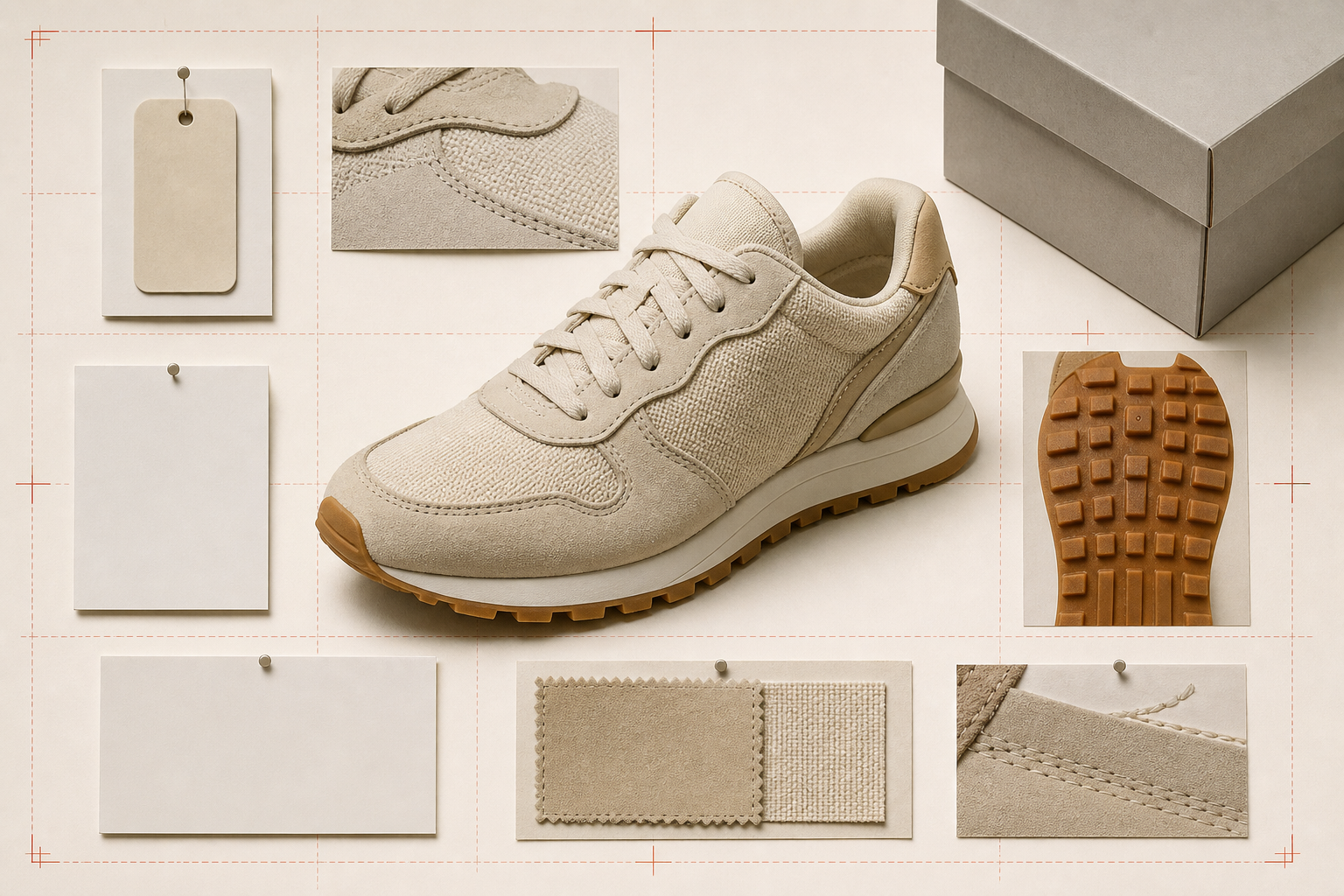
A sneaker name alone is rarely enough. Release year, colorway, style code, region, materials, and condition can separate two pairs that look almost identical in a listing.
This practical checklist helps you identify the exact retro sneaker release you want before you compare prices or contact a seller.
The short version
- Start with the complete model name.
- Confirm the colorway and style or product code.
- Record the release year and market or region.
- Compare materials, shape, branding details, and packaging.
- Check that the listing photographs support the seller’s description.
- Evaluate condition and total purchase cost separately from release identity.
Why the exact release matters
Popular silhouettes are often released more than once. A retro release may resemble an earlier version while using different materials, colors, construction, sizing, or packaging. Those differences can affect comfort, collectability, availability, and price.
Your goal is not to memorize every variation. It is to build a small set of identifiers that should agree across the listing, the shoe, and the box.
1. Write down the complete model name
Record the brand, model family, version, and any edition name used in the listing. Do not rely on a shortened marketplace title. Sellers sometimes omit a version number or use a familiar nickname for several related releases.
A useful working record looks like this:
- Brand: the manufacturer
- Model: the full model family and version
- Edition: collaboration, special edition, or material designation
- Audience and sizing system: men’s, women’s, unisex, youth, or another range
2. Confirm the colorway
Colorway names are more useful than visual guesses. Lighting, camera settings, aging, editing, and screen calibration can all change how a color appears. Compare the seller’s wording with the label information and reliable reference material for the intended release.
Pay attention to the color of smaller panels, lining, stitching, outsole sections, logos, and hardware. These details often distinguish similar versions.
3. Match the style or product code
The style or product code is one of the strongest identifiers available to an ordinary buyer. It may appear on the shoe’s size label, the box label, and the original purchase documentation. The format and location vary by brand and production period.
Check that the code is consistent across the listing photographs and corresponds to the claimed model, colorway, and release. A matching code is useful evidence, but it is not proof of authenticity by itself because labels and codes can be copied.
4. Record the release year and region
Separate the year of the design from the year of the specific pair being sold. A silhouette may originate decades before the production date shown on a later retro release.
Regional releases can differ in naming, availability, packaging, and sometimes product details. Ask the seller where the pair was originally purchased if the market matters to your search.
5. Compare materials and construction
Look beyond the overall color blocking. Compare the stated upper material, overlays, lining, tongue construction, outsole pattern, stitching, logo placement, and visible cushioning or hardware.
Use photographs of the actual pair whenever possible. Stock images cannot show the condition or manufacturing details of the item you will receive.
6. Treat packaging as supporting evidence
An original box, tissue, spare laces, tags, receipts, and accessories may help establish the release and ownership history. Packaging can also be separated from a pair or reproduced, so it should support—not replace—the examination of the shoes themselves.
7. Evaluate condition separately
Identification answers what is it? Condition answers what state is it in? Keep those questions separate so that excitement about a rare release does not obscure wear or age-related risk.
- Request photographs of both shoes from multiple angles.
- Check outsoles, midsoles, heel counters, toe boxes, collars, insoles, and size labels.
- Ask about repairs, repainting, sole separation, crumbling, cracking, odor, moisture, and storage.
- Confirm exactly which box and accessories are included.
- For older pairs, consider whether the materials are still suitable for wear.
Listing red flags
- The title, description, label photographs, and box label identify different versions.
- The seller uses only stock photographs or avoids showing labels and both shoes.
- A rare or expensive release has an unusually vague history.
- The condition description ignores visible damage.
- Pressure to pay outside a marketplace removes normal buyer protection.
- The total price appears attractive only before shipping, fees, taxes, or import charges.
A simple release-identification worksheet
| Field | What to record |
|---|---|
| Complete model | Brand, family, version, edition |
| Colorway | Official or label wording |
| Style/product code | Code shown on shoe and box |
| Release | Year and region or market |
| Sizing | Range, system, and tagged size |
| Materials | Upper, lining, sole, special finishes |
| Condition | Wear, aging, repairs, missing items |
| Evidence | Actual photographs, receipt, seller history |
| Total cost | Item, shipping, fees, taxes, returns |
Frequently asked questions
Does a matching style code prove authenticity?
No. It is an important identifier, but copied codes and labels exist. Use it together with photographs, construction details, seller information, provenance, and any authentication service you independently trust.
Is the original box necessary?
Not always. It may matter for collectability and can provide supporting information, but a box alone does not establish the identity or authenticity of the shoes.
Should an older pair be worn?
Age, storage, materials, and construction all matter. Some components can weaken even when a pair looks clean. Examine older footwear carefully and seek specialist advice when material failure could create a safety risk.
Before you buy
Save the listing, photographs, description, messages, receipt, and tracking information. Confirm the platform’s buyer-protection and return terms before payment. If important details do not agree, pause the purchase and ask for better evidence.
Retro Sole Search provides general buying information, not an authenticity guarantee or professional appraisal. This guide contains no affiliate links.